

Commentary
Nur Arafeh
{
  "authors": [
    "Nur Arafeh"
  ],
  "type": "commentary",
  "blog": "Diwan",
  "centerAffiliationAll": "",
  "centers": [
    "Carnegie Endowment for International Peace",
    "Malcolm H. Kerr Carnegie Middle East Center"
  ],
  "collections": [
    "The Iran War’s Global Reach"
  ],
  "englishNewsletterAll": "",
  "nonEnglishNewsletterAll": "",
  "primaryCenter": "Malcolm H. Kerr Carnegie Middle East Center",
  "programAffiliation": "",
  "projects": [
    "Political Economy Program"
  ],
  "regions": [
    "Gulf",
    "Saudi Arabia",
    "United States",
    "United Arab Emirates",
    "Iran",
    "Kuwait",
    "Qatar"
  ]
}
Source: Getty
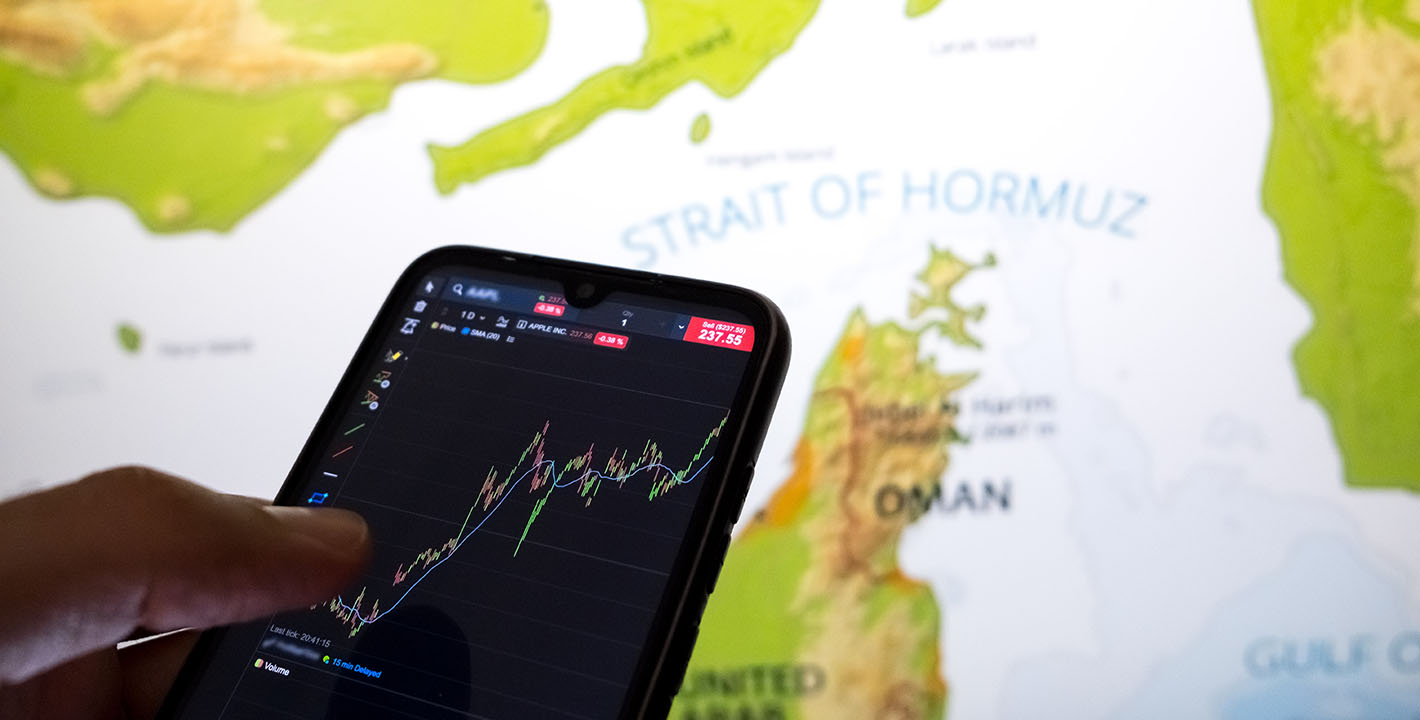
In an interview, Roger Diwan discusses where the global economy may be going in the third week of the U.S.-Israeli war with Iran.
Invalid video URL
Roger Diwan is vice president at S&P Global Energy and heads a dedicated research team that provides integrated energy advisory to the financial sector. Recently, Diwan sat with Nur Arafeh, who co-leads Carnegie’s Political Economy Program focused on the countries of the Middle East and North Africa. Their discussion addressed the repercussions of Iran’s closure of the Strait of Hormuz, which has raised oil prices and created major concerns about inflationary pressures worldwide as well as fears of a slowdown in the international economy.
Fellow, Malcolm H. Kerr Carnegie Middle East Center
Nur Arafeh is a fellow at the Malcolm H. Kerr Carnegie Middle East Center, where she is co-leading the program on the political economy of the MENA region. Her research focuses on the political economy of reconstruction, private sector development, business-state relations, food insecurity, and peacebuilding strategies.
Recent Work
Nur Arafeh
Maya Chehade, Marie Bassi, Duaa Abuswar, …
Carnegie does not take institutional positions on public policy issues; the views represented herein are those of the author(s) and do not necessarily reflect the views of Carnegie, its staff, or its trustees.
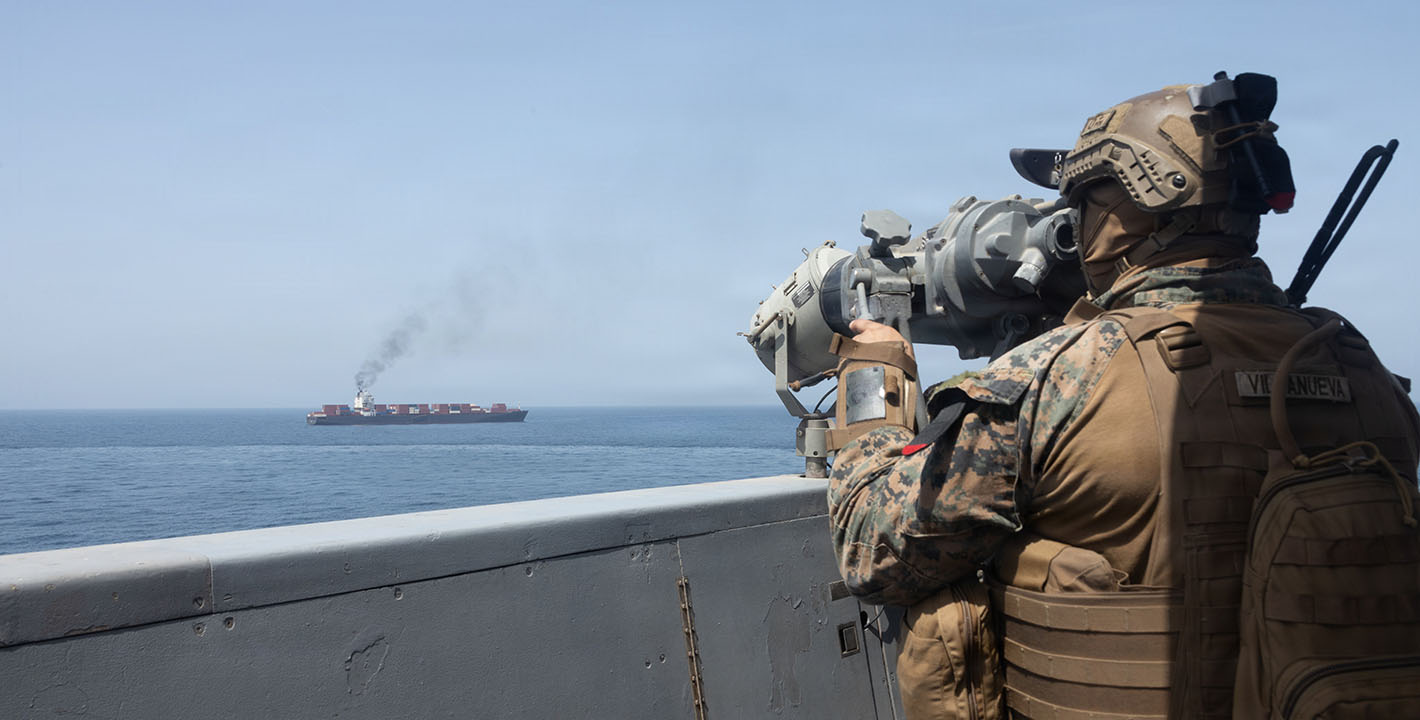
In an interview, Jim Lamson discusses the ongoing regional conflict and sees an unclear picture when it comes to winners and losers.

Michael Young
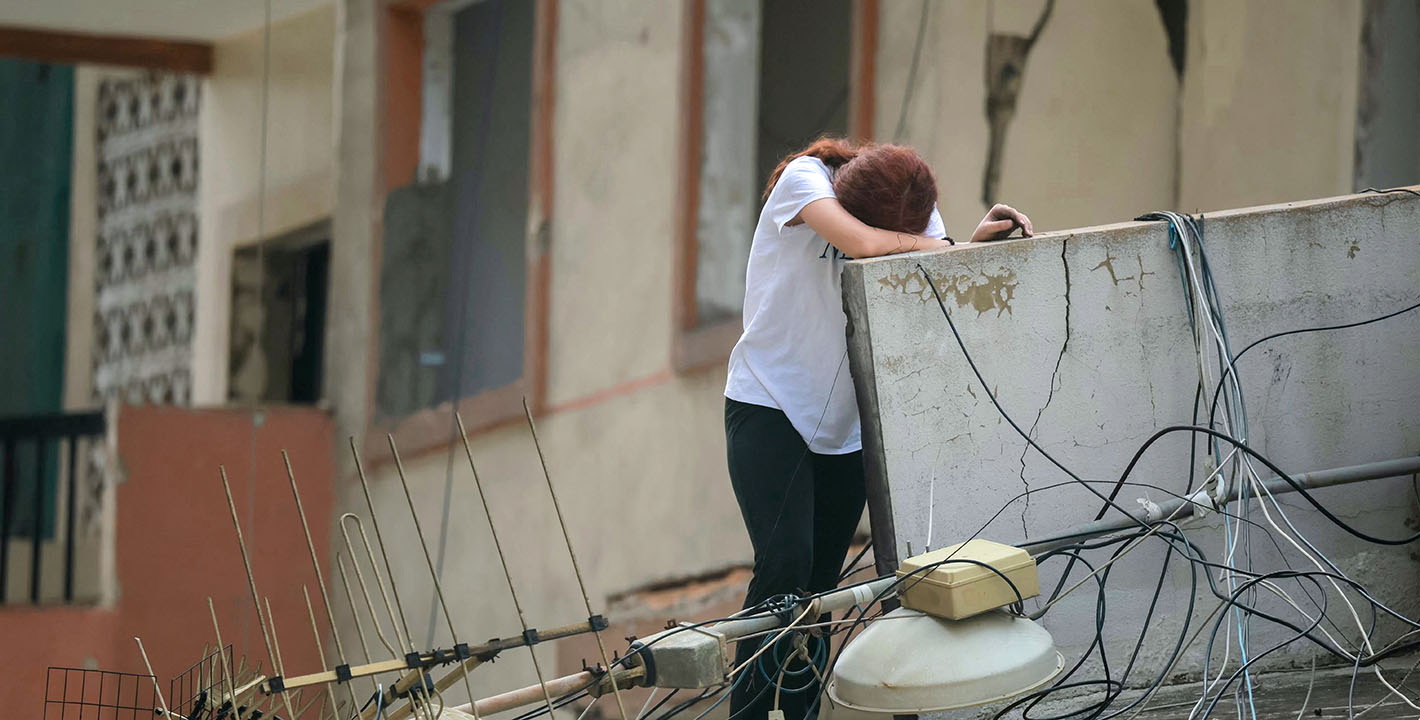
Unless Beirut lowers expectations, any setbacks will end up bolstering Hezbollah’s narrative.

Mohanad Hage Ali
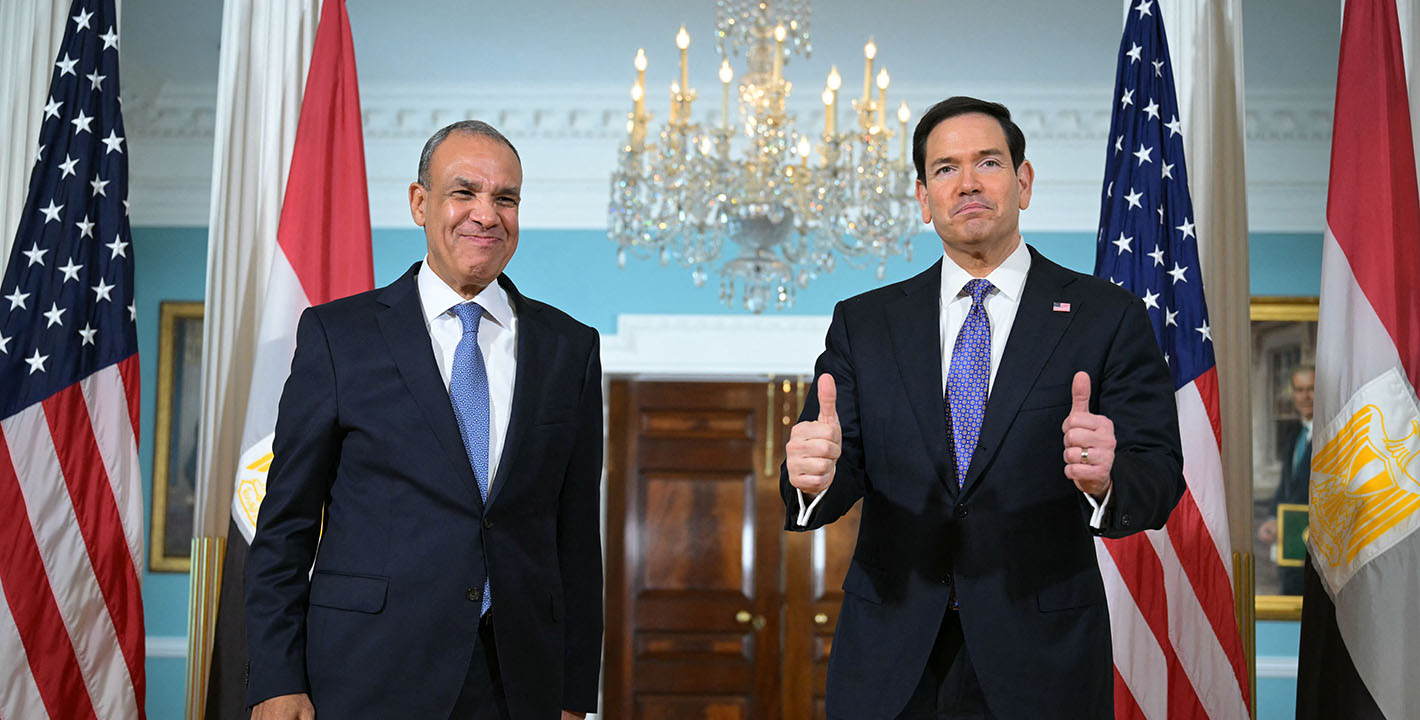
Cairo’s efforts send a message to the United States and the region that it still has a place at the diplomatic table.

Angie Omar
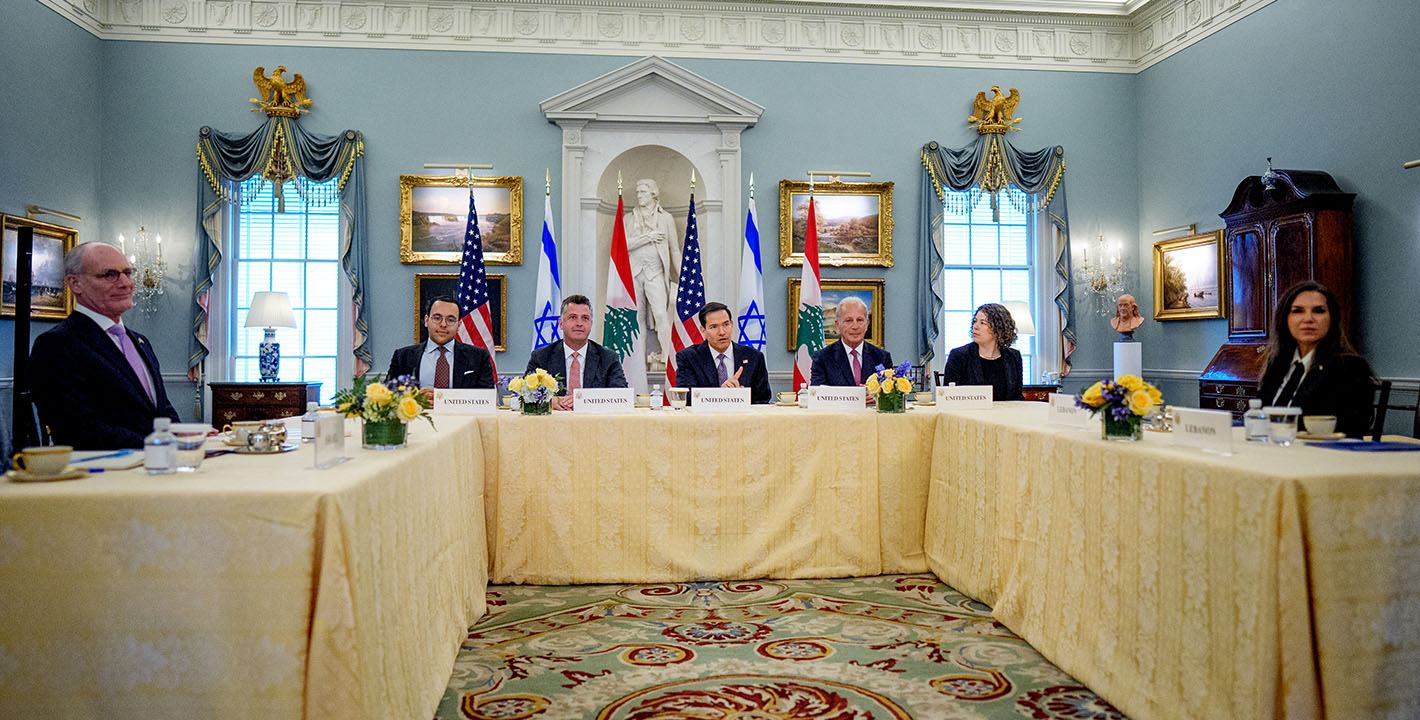
Beirut’s desire to break free from Iranian hegemony may push it into a situation where it has to accept Israel’s hegemony.
Michael Young
Spot analysis from Carnegie scholars on events relating to the Middle East and North Africa.
Michael Young